
Introduction
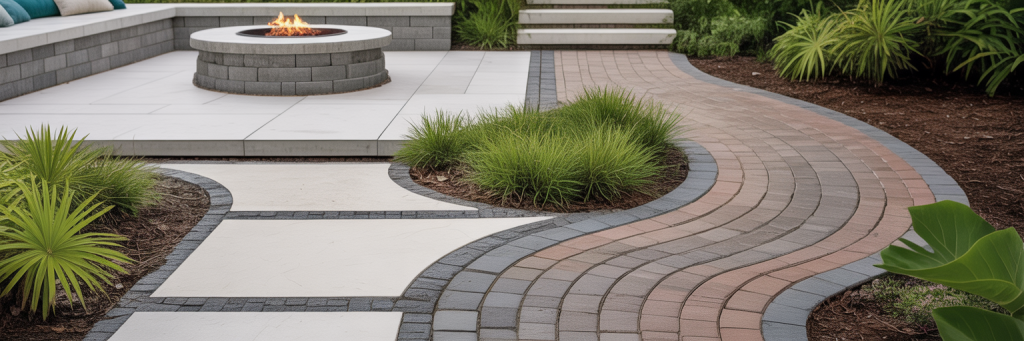
Hardscaping is an essential aspect of landscape design that involves the use of non-living elements to create functional outdoor spaces. From patios and walkways to retaining walls and fire pits, hardscaping enhances the aesthetic appeal and usability of your yard. This guide will walk you through the planning process for hardscaping and paver projects, ensuring you make informed decisions that align with your vision and budget.
What is Hardscaping?
Hardscaping refers to the non-plant elements of landscape design. This includes features such as:
- Patios: Outdoor spaces for relaxation and entertainment.
- Walkways: Paths that guide visitors through your garden.
- Retaining Walls: Structures that hold back soil and create level areas.
- Fire Pits: Cozy spots for gathering and warmth.
Pavers, which can be made from concrete, brick, or natural stone, are modular units used to construct these features.
Planning Your Hardscaping Project
- Define Your Goals: Determine what you want to achieve with your hardscaping project. Are you looking to create a space for entertaining, a pathway for easy access, or a decorative feature?
- Assess Your Space: Evaluate the area where you plan to install hardscaping. Consider factors such as:
- Drainage: Ensure that water flows away from structures to prevent pooling. Poor drainage can lead to standing water and freeze-thaw issues.
- Sunlight: Identify areas that receive full sun versus shade, as this will influence plant choices and materials.
- Choose Materials: Select materials that complement your home and landscape. Consider the pros and cons of different types of pavers:
- Concrete Pavers: Cost-effective and available in various colors and shapes, but may fade over time.
- Natural Stone: Offers a premium look and durability but can be more expensive and requires skilled installation.
- Brick Pavers: Timeless and durable, but may have fewer modern design options.
- Budgeting: Understand the costs associated with your project. Typical costs can vary widely based on the size and complexity of the installation:
- Small patio (10’x10’): $2,500–$7,000
- Medium patio (20’x20’): $8,000–$25,000
- Paver driveways: $10,000–$30,000+
- Design Considerations: Think about the layout and design of your hardscaping. Use borders, contrasting patterns, or soldier courses to frame spaces and enhance curb appeal. Adding lighting and planting can extend usability and soften edges.
When to DIY vs. Hire a Professional
- DIY: If you have experience with small, level projects, you may consider tackling the installation yourself. This can save money but requires careful planning and execution.
- Hire a Professional: For larger projects that involve significant grading, retaining walls, or complex drainage systems, hiring a professional is advisable. They bring expertise and equipment that can ensure a successful installation.
Maintenance Checklist
To keep your hardscaping looking its best, follow these maintenance tips:
- Regular Cleaning: Sweep debris and dirt from paver surfaces to prevent staining.
- Weed Control: Use polymeric sand in joints to resist weed growth. Regularly inspect and maintain joints to prevent weed infiltration.
- Sealing: Consider sealing your pavers every few years to protect against stains and fading. This helps maintain color but does not eliminate the need for proper base and drainage.
Common Misconceptions
- Myth: Sealing pavers eliminates all maintenance.
Fact: Sealing helps but does not replace proper installation and maintenance practices. - Myth: Any sand will stabilize pavers.
Fact: The type of joint material used affects stability and weed control. - Myth: Thicker pavers alone support vehicles.
Fact: Driveways need a thicker, well-compacted base and specific edge restraint — not only thicker pavers.
Frequently Asked Questions
How long do pavers last?
Properly installed pavers with a well-compacted base can last decades; natural stone can last a lifetime with routine maintenance and good drainage.
Do I need a permit?
Permits depend on municipality, project size, and walls that exceed local height limits. Ask the contractor to confirm permit requirements for your town.
Will pavers heave in winter?
Heaving is usually caused by water movement in the base (poor drainage) or inadequate compaction. Proper grading, base preparation, and edge restraint greatly reduce the risk.
Can I drive on pavers?
Yes—driveways require a thicker base, generally deeper compacted aggregate, and heavy-duty edge restraints. Specify vehicular-rated installation when requesting quotes.
How do I get accurate quotes?
Request at least two detailed, itemized quotes that list base depth, aggregate type, edge treatment, joint material, drainage approach, and warranty. Compare line-item details, not just total price.
Conclusion
Planning your hardscaping project requires careful consideration of materials, design, and maintenance. By following the steps outlined in this guide, you can create a beautiful and functional outdoor space that enhances your home’s value and your enjoyment of your yard.